Wednesday, February 27, 2013

Thursday, January 17, 2013
Natural Disaster-Evidence

Evidence 1
It shows Japan is locate on the 4 plate boundaries: Eurasian Plate, North American Plate, Philippine Plate, and Pacific Plate. When two plates are moving, it would happen earthquake and tsunami in Japan. Therefore, Japan is happen the tsunami most in the world.


Evidence 2
This picture is
showing the amount of the Tsunami happen in the Japan. The point is shows the
most Tsunami happen is in the North East of the Japan.

This map is showing the countries that on the Pacific Ocean or close to the Pacific Ocean, there tsunami are more than the country that not close to the ocean

This graph shows the tsunami in Japan is more than the tsunami in other country.
Monday, January 14, 2013
Conclusion
Tsunami
is a giant wave that cause by the earthquake under the ocean that makes the
giant wave. This natural disaster can have many negative effect for our life.
For example, submerge everything by giant wave; flooding;
homeless; and etc. In my research I find the historical tsunami happened in the
world. My first evidence that shows the Japan’s location can cause it has most
tsunami in the world.
My
second evidence that shows the which city in Japan has most tsunami. If the
tsunami continues for the next 100 years, that can make many countries or
cities under the water.
Saturday, October 27, 2012
Rock Types
Rock cycle is the model that descirbe how sedimentary rock, metamorphic rock, and Igneous rock slowly change from one th another throught time. Igneous are made by magma or lava turning solid by a cool temperature. When Igneous rock break down into small pieces by wind and water that makes sediments. When sediments go to a new place, compaction (push together) and cementation (glue together), that make sedimentary rock., When heat and pressure push sedimentary rock, it becomes metamorphic. If metamorphic rock melt, it will become magma or lava.
Rock
Metamorphic rock- underground by heat and pressure

Magma- melted rock inside earth

Solidification- get cold, liquid to solid

Igenous rock- cooling crystallization of magma

Weathering- break rock into small pieces by wind and water

Erosin- replaced to a new place

Sediment- broken pieces of rock

Compaction- stick together and form solid rock

Cementation- glued together

Sedimentary rock- pieces of sediments combine

Rock Types
Igneous rock

Extrusive Igneous- have small crystal, and from outside of volcano

Intrusive Igneous- have big crystal, and from inside of volcano
Sedimentary rock

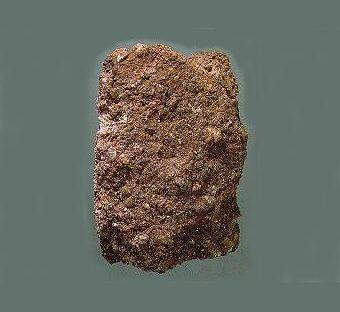
Clastic- just a rock

Bioclastic- have death organism on it

Crystalline- rock form from liquid
Metamorphic rock

Non-foliated- don't have layer

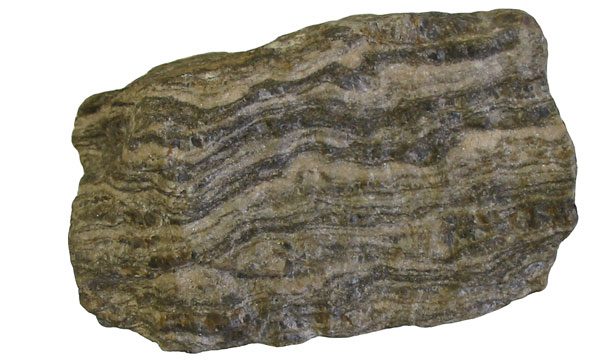
Foliated- have layer
Rock
Metamorphic rock- underground by heat and pressure
Magma- melted rock inside earth

Solidification- get cold, liquid to solid

Igenous rock- cooling crystallization of magma

Weathering- break rock into small pieces by wind and water

Erosin- replaced to a new place

Sediment- broken pieces of rock

Compaction- stick together and form solid rock
Cementation- glued together

Sedimentary rock- pieces of sediments combine
Rock Types
Igneous rock
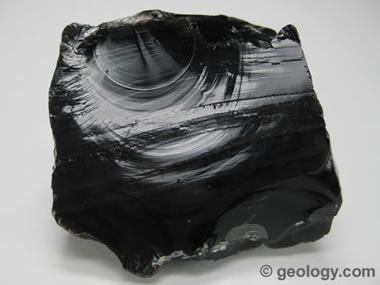
Extrusive Igneous- have small crystal, and from outside of volcano
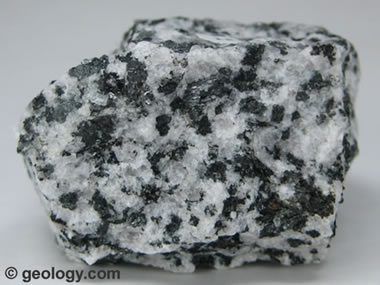
Intrusive Igneous- have big crystal, and from inside of volcano
Sedimentary rock
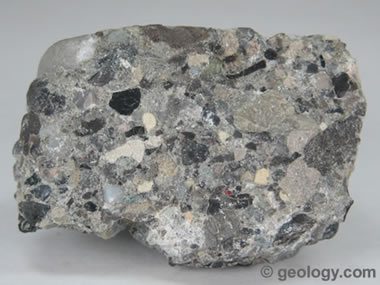
Clastic- just a rock

Bioclastic- have death organism on it

Crystalline- rock form from liquid
Metamorphic rock
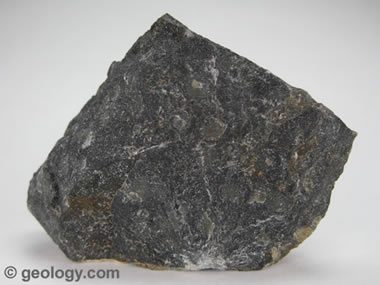
Non-foliated- don't have layer

Foliated- have layer
Crystals & Minerals
Crystals
In Crystal Growth Lab, we made a solution by mix the mineral, then replaced this solution to the window, to let them grow the crystal by the 10 days. In each day, we need to measured the crystal, and to observed the crystal, like: color, shape. That help us to see how they growth, and wrote down into the data.
Mineral Properties
Color - a color other than white or clear

Luster - metallic: look like metal

Non metallic: does not look like metal

Streak - scratch the mineral on the streak plate

Hardness- soft and hard

Cleavage- break evenly

Fracture- break unevenly

Mineral Identification
 Sulfur
* Nonmetallic luster
* White- yellow streak
* Yellow to amber
* Soft (2)
* Fracture

Pyrite
* Metallic luster
* Green- black streak
* Brassy Yellow
* Hard (6.5)
* Fracture
In Crystal Growth Lab, we made a solution by mix the mineral, then replaced this solution to the window, to let them grow the crystal by the 10 days. In each day, we need to measured the crystal, and to observed the crystal, like: color, shape. That help us to see how they growth, and wrote down into the data.
Mineral Properties
Color - a color other than white or clear
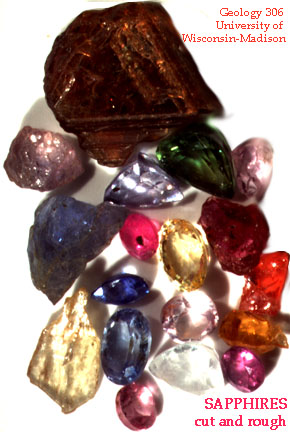
Luster - metallic: look like metal

Non metallic: does not look like metal

Streak - scratch the mineral on the streak plate

Hardness- soft and hard

Cleavage- break evenly

Fracture- break unevenly

Mineral Identification
* Nonmetallic luster
* White- yellow streak
* Yellow to amber
* Soft (2)
* Fracture
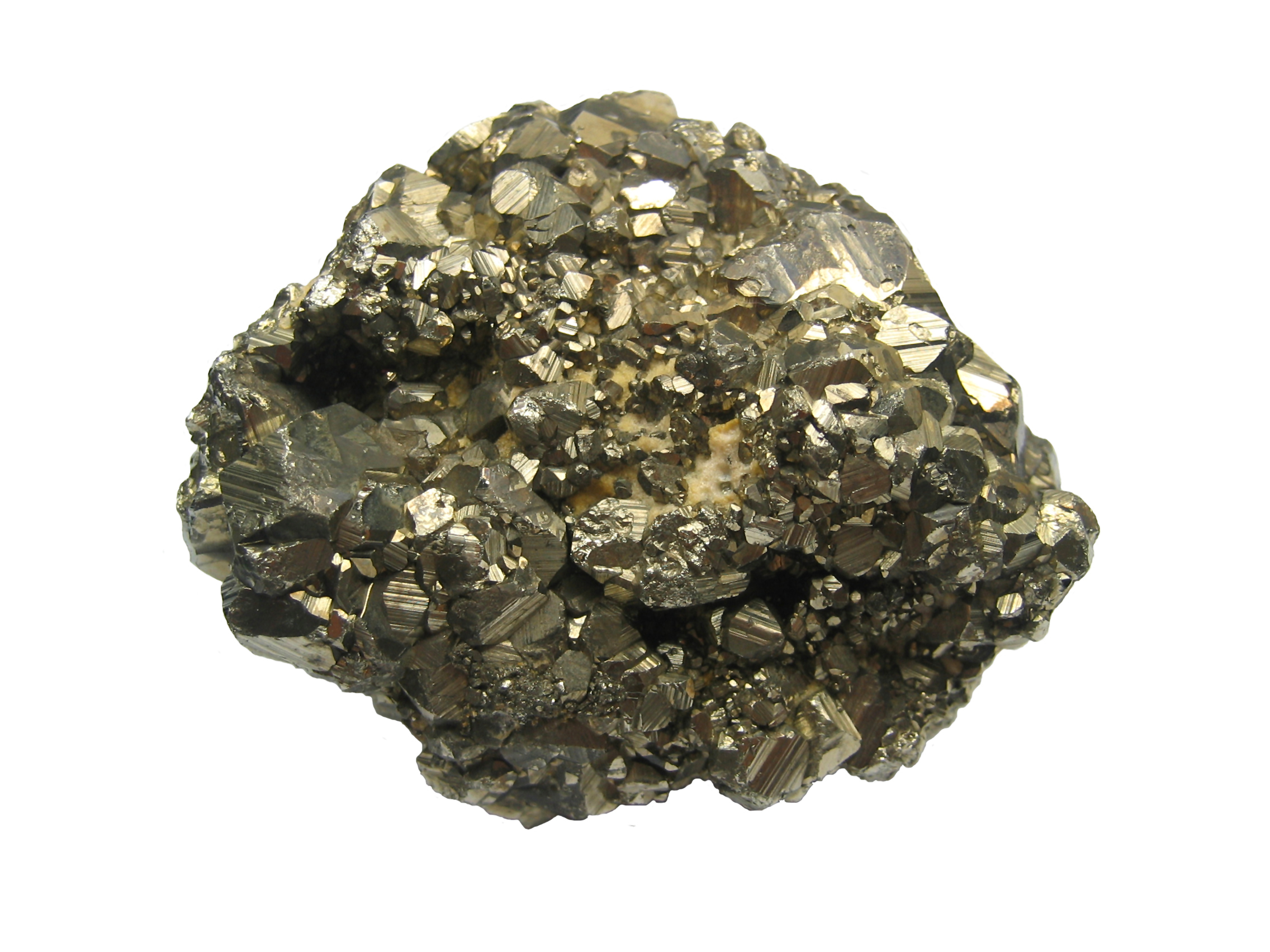
Pyrite
* Metallic luster
* Green- black streak
* Brassy Yellow
* Hard (6.5)
* Fracture
Wednesday, October 24, 2012
Subscribe to:
Posts (Atom)